Parents often feel alarmed when they hear strange grinding noises coming from their child’s bedroom at night. Teeth grinding, known medically as bruxism, is a condition that affects many children at some point during childhood. Although often temporary, untreated bruxism can cause dental damage, jaw discomfort, and other health concerns. In Windham, NH, practices like Windham Kids Pediatric Dentistry, led by Dr. Caitlin Pyle, encounter this issue frequently, guiding families through understanding the causes, recognizing symptoms, and exploring treatment options. Empowering parents with knowledge about bruxism helps ensure children’s smiles stay healthy and pain-free.
Understanding the Causes of Teeth Grinding in Children
Teeth grinding in children can stem from various physical, psychological, and developmental factors. One common cause is the growth and development of the jaw and teeth. As new teeth emerge, children might unconsciously grind their teeth to help the teeth settle into a comfortable position. This type of grinding is often temporary and may resolve as the child’s mouth matures.
Emotional factors can also play a significant role. Stress, anxiety, or changes in routine — such as starting a new school or experiencing family transitions — can trigger bruxism in children. Some children process stress physically, leading to nighttime grinding as a subconscious way to release tension. Medical conditions like sleep apnea, hyperactivity disorders, or certain neurological conditions have also been associated with bruxism, although these cases are less common.
Other contributing factors include misaligned teeth, also known as malocclusion, and reactions to pain, such as an earache or teething discomfort in younger children. Some children grind their teeth because of certain medications or as a response to irritants like allergies that disrupt normal breathing patterns. Understanding the possible causes helps parents and dental professionals tailor solutions to each child’s unique situation.
Recognizing the Symptoms of Bruxism
Many parents first discover bruxism because they hear grinding noises while their child sleeps. However, not all cases are obvious. Some children grind their teeth silently, making it essential to watch for other signs. Complaints of jaw pain, facial soreness, or headaches, especially in the morning, may indicate nighttime grinding. Children might also mention pain when chewing or report increased tooth sensitivity due to enamel wear.
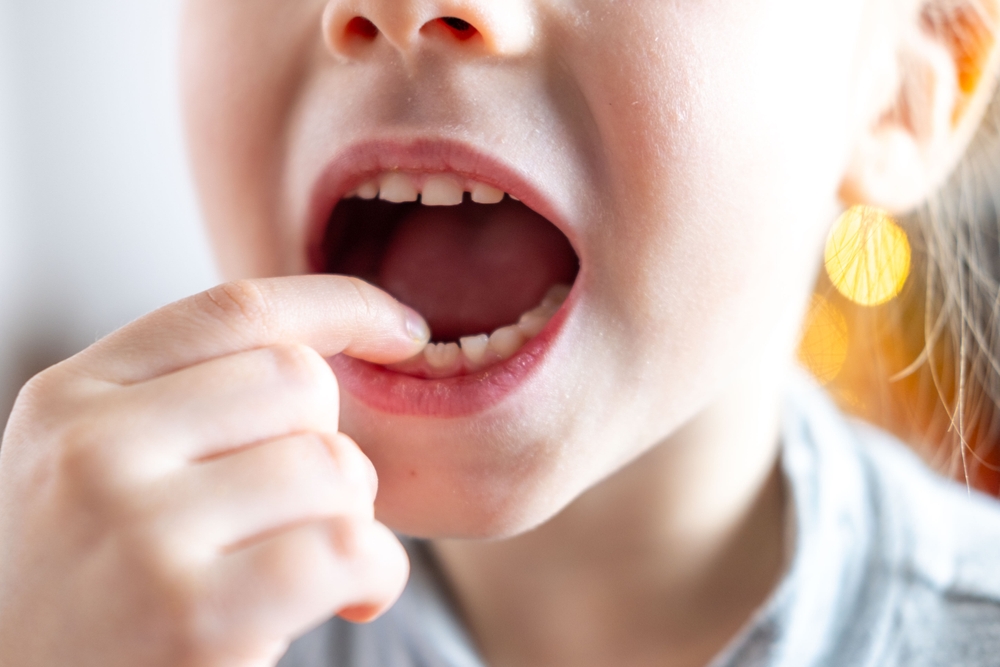
Dentists often identify bruxism during routine checkups by noticing flattened or chipped teeth, worn tooth surfaces, or unexplained fractures. Sometimes the inside of the cheeks or tongue may show signs of irritation from repeated grinding. In more severe cases, the jaw muscles may feel tense or enlarged because of frequent clenching.
Bruxism can also influence a child’s quality of sleep. Children who grind their teeth might experience restless nights, frequent waking, or daytime fatigue. Poor sleep can affect mood, attention span, and performance in school. Recognizing these subtle signs is crucial because early intervention can prevent further dental or health complications.
Potential Effects of Untreated Teeth Grinding
While occasional teeth grinding might be harmless and temporary, persistent bruxism can have significant consequences if left untreated. One of the primary risks is damage to the teeth themselves. Continuous grinding wears down tooth enamel, leading to increased sensitivity, higher cavity risk, and potential structural damage requiring restorative dental work.
In addition to dental wear, bruxism can strain the jaw joints, resulting in temporomandibular joint (TMJ) disorders. Children might experience clicking or popping sounds when opening their mouth, difficulty chewing, or chronic jaw pain. Over time, severe TMJ issues could interfere with eating, speaking, and daily activities.
Emotional and behavioral impacts should not be overlooked. Chronic discomfort, poor sleep quality, and pain can cause irritability, decreased concentration, and anxiety. The social effects of dental damage, such as visible tooth wear or fractures, can also affect a child’s confidence. Understanding these potential consequences underscores why parents should seek guidance if they suspect their child is grinding their teeth.
Treatment Options for Managing Bruxism
Treatment for bruxism depends on its severity, underlying cause, and the child’s age. In many cases, mild bruxism in young children resolves without intervention as they grow older. However, for persistent or severe cases, several treatment options exist.
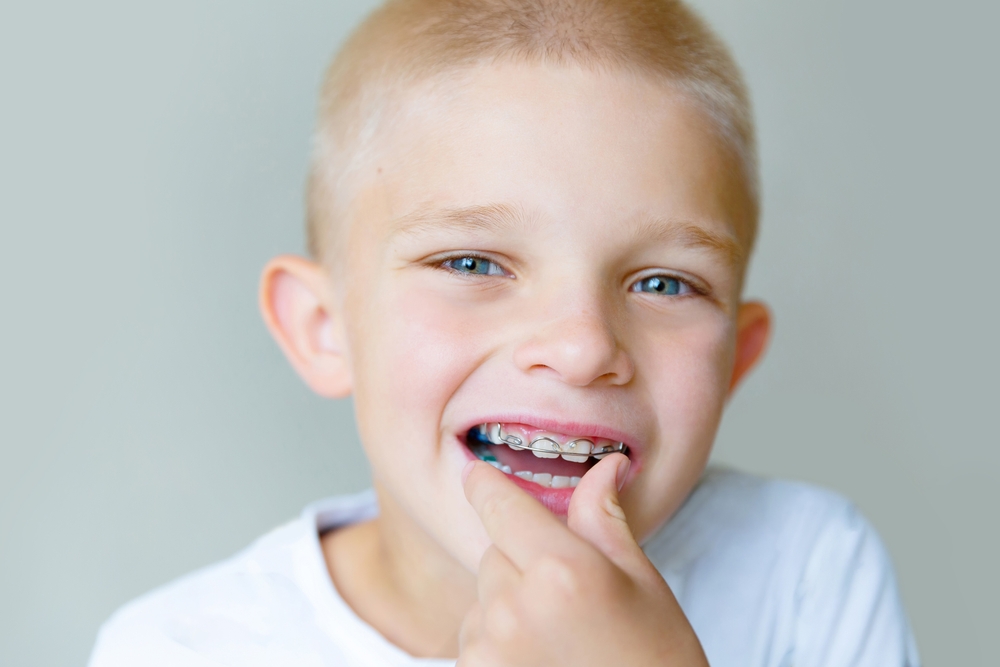
One of the most common solutions is a custom night guard, also known as an occlusal splint. This device fits over the child’s teeth, preventing direct contact between upper and lower teeth and minimizing wear. Night guards are typically recommended for older children, as younger kids may find them uncomfortable or may outgrow them quickly.
For bruxism linked to stress or anxiety, addressing the underlying emotional triggers can help reduce grinding. Parents might establish calming bedtime routines, practice relaxation techniques with their child, or seek support from mental health professionals if needed. If bruxism relates to a medical condition such as sleep apnea, a pediatrician or sleep specialist may be involved in developing a comprehensive treatment plan.
Dental interventions for significant tooth damage may include restoring worn teeth with dental bonding or crowns to protect remaining tooth structure. In cases of malocclusion, orthodontic treatment might be necessary to correct alignment issues contributing to grinding. Each treatment plan should be individualized, considering the child’s comfort, age, and overall health.
Preventive Measures and Home Care Tips
Parents can take proactive steps to minimize the risk of bruxism and its effects. Maintaining a consistent bedtime routine helps promote restful sleep, reducing nighttime grinding linked to stress or restlessness. Activities like reading a book, gentle stretching, or listening to soothing music can help children wind down before bed.
Limiting stimulants such as caffeine, particularly in the late afternoon and evening, is also important. Even small amounts of caffeine in sodas or chocolate can disrupt sleep patterns and potentially exacerbate teeth grinding. Encouraging children to stay hydrated and eat a balanced diet supports overall health, which in turn promotes better oral health.
Regular dental checkups remain a cornerstone of prevention. Dentists can identify early signs of bruxism and provide guidance tailored to the child’s needs. Parents should also talk to their child about reporting any discomfort, jaw pain, or sensitivity. Open communication empowers children to participate actively in their dental health and seek help when something feels wrong.
For families in Windham, NH, resources like Windham Kids Pediatric Dentistry, under the care of Dr. Caitlin Pyle, offer support and professional insight for managing bruxism in children. Addressing teeth grinding early helps protect children’s smiles, comfort, and overall well-being, ensuring they grow up with healthy habits and healthy teeth.
Resources:
Lavigne, G. J., Khoury, S., Abe, S., Yamaguchi, T., & Raphael, K. (2008). Bruxism Physiology and Pathology: An Overview for Clinicians. Journal of Oral Rehabilitation.
American Academy of Sleep Medicine. (2021). Clinical Practice Guideline for the Assessment and Management of Children with Sleep Bruxism. Journal of Clinical Sleep Medicine.
Manfredini, D., Winocur, E., Guarda-Nardini, L., Paesani, D., & Lobbezoo, F. (2013). Epidemiology of Bruxism in Children: A Systematic Review. Oral Diseases.